Garden Maintenance in Bayswater

Garden maintenance in Bayswater needs a practical, steady approach that keeps outdoor space tidy, healthy and ready to use across the seasons. Our work focuses on the regular tasks that make a real difference: mowing, trimming, pruning, weed control, border care and the clearing of routine garden waste. The aim is a well-kept finish that suits the property, whether the space is a small courtyard, a front garden, shared grounds or a larger private plot.
We support homeowners, landlords and property managers who want dependable upkeep rather than one-off guesswork. The service can be arranged as a single visit or as part of an ongoing routine, depending on the condition of the garden and the level of attention it needs. If you are comparing options, start with the core tasks that matter most, then ask for a quote that reflects the actual work required.
For a clearer idea of the services available, you can look through our services overview. It is a useful place to see how the different kinds of outdoor work sit together, from regular maintenance to more involved clearance or landscaping tasks. If you already know the jobs you need, you can request a quotation straight away using the contact page on the site.
Regular upkeep for a tidy, healthy garden

Routine maintenance is often about consistency rather than dramatic change. A lawn that is cut at sensible intervals, hedges that are trimmed before they become untidy and beds that are kept clear of weeds will usually look better and be easier to manage. We can cover the practical jobs that help a garden stay in shape, while keeping the work appropriate to the layout and planting already in place.
That may include mowing, strimming, hand weeding, light pruning, deadheading and general tidying. Where edges have become uneven, we can neaten them so paths and lawn areas read properly again. If the garden has accumulated seasonal debris, the work may also include gathering leaves, twigs and other organic waste so the space feels more orderly without stripping it of character.
What tends to matter in regular visits
Maintenance works best when the priorities are clear. A simple list can help shape the visit and avoid missed details. Typical priorities might include:
- keeping grass at a manageable height
- reducing weed growth in borders and paved areas
- cutting back overgrowth that blocks access or light
- tidying paths, edges and planting areas
- removing ordinary green waste created during the work
Lawn mowing and edge finishing
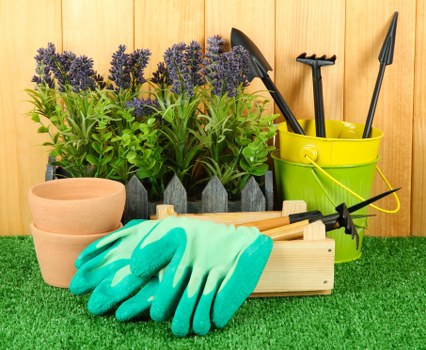
Lawn care is often the most visible part of garden maintenance, and it benefits from a careful, even finish. Cutting the grass at a suitable height helps the lawn look cleaner while avoiding the harsh, scalped appearance that can come from rushing the job. Edge trimming is also important, because a neat boundary around beds, paving and fence lines gives the whole garden a more settled look.
Different lawns need different handling. Some spaces are straightforward and can be maintained quickly, while others need attention around obstacles, narrow runs or mixed surfaces. We can take a sensible approach to lawn work so the cut remains uniform and the surrounding areas are respected. Where access is limited, a manual or lighter-touch finish may be more appropriate than forcing machinery into awkward corners.
Our approach is practical and measured, with the focus on a result that suits the property rather than overworking the ground. If the lawn has become patchy, heavily worn or crowded with moss and weeds, mowing alone may not be enough to improve its appearance. In those cases, trimming and general maintenance can still help, but the quote should reflect the condition of the space and the time needed to bring it to a better standard.
Hedge trimming and pruning
Hedges and shrubs shape the structure of a garden, but they can quickly dominate if they are left unchecked. Trimming helps maintain boundaries, keep walkways open and stop growth from spilling into paths, drives or neighbouring areas. Pruning can also improve appearance by removing awkward, damaged or congested growth and giving plants a more balanced outline.
Not every plant should be cut in the same way or at the same time, so this part of garden maintenance needs judgement. Some shrubs respond well to regular shaping, while others need a more selective prune to preserve flowering or keep the plant healthy. We can work carefully around established planting and aim to leave a tidy result that still supports the garden’s wider layout.
If hedge lines are already uneven, there may be a choice between a light tidy and a fuller reduction. The right option depends on height, thickness, access and how much growth needs to be taken back. When you ask for a quotation, it helps to describe the hedge length and the overall condition so the work can be set out clearly and fairly.
Border care, weeding and seasonal tidying
Borders often need the most ongoing attention because they collect both plant growth and unwanted weeds. A maintained border gives planting room to breathe and makes the whole garden look more deliberate. We can clear annual weeds, lift debris from among established plants and tidy the edges so the transition between lawn, bed and path is easier to read.
Seasonal tidying can also be a large part of maintaining a garden well. Fallen leaves, spent stems and broken branches build up gradually, especially after wet or windy weather. Clearing those materials keeps surfaces safer to walk on and stops the garden from looking neglected. Where there is suitable green waste, we can gather and remove it as part of the visit, rather than leaving it in a pile for later.
Good maintenance is often about small gains repeated consistently. A little attention to beds, edging and debris can preserve a tidy overall impression without requiring heavy intervention. If the garden has a number of problem areas, it is worth identifying which ones matter most first so the work can be prioritised sensibly.
About Bayswater

Bayswater is a district in west central London, within the City of Westminster, and it is known for its dense urban streets, varied housing and close links to major parts of the capital. The area sits north of Kensington Gardens and Hyde Park, two of London’s best-known Royal Parks, while Paddington lies to the north and west. Its street pattern reflects a long period of 19th-century development, with terraces, mansion blocks and converted town houses forming much of the built landscape. That architectural mix gives the district a distinctive character, combining residential neighbourhood streets with busy through-routes and local shopping stretches. Queensway and Westbourne Grove are two of the better-known commercial streets associated with the area, each contributing to the lively mix of shops, cafés and services. Bayswater Underground station provides access via the Circle and District lines, while nearby Lancaster Gate and Paddington broaden the transport connections around the district. The result is a place that feels both central and residential, with a strong relationship to the surrounding parks and the wider West End. Although the name is widely recognised, Bayswater is not a standalone local authority area; it sits within the larger Westminster context and shares in the rhythm of central London life. Its public spaces, period façades and steady pedestrian movement give the district a lived-in quality that has changed over time while retaining clear historical layers.
Clearance work when a garden needs a reset
Not every garden maintenance job is routine. Some spaces need a stronger first pass because they have become overcrowded with waste, self-seeded growth or heavy overgrowth. Garden clearance focuses on reclaiming usable space, removing unwanted material and making it possible to see the underlying shape of the garden again. This can be the right starting point before regular maintenance begins.
Clearance may involve cutting back overgrown sections, lifting debris, gathering piles of green waste and opening access to paths, borders or sheds. It is often useful where a property has been left unattended for a time, or where the garden has simply outgrown the amount of upkeep it has been receiving. Once the worst of the clutter has gone, ongoing maintenance is usually much easier to manage.
For larger or more tangled areas, a careful plan matters. It is often better to divide the work into clear stages than to rush everything in one go. If you need both clearance and regular upkeep, ask for a quotation that reflects the difference between the initial tidy-up and the longer-term maintenance the garden will need afterwards.
Keeping outdoor areas manageable through the year

Most gardens are easier to maintain when the work is spread across the year instead of left to build up. Grass grows differently through the seasons, hedges can become more active in mild weather and beds often need the most attention after periods of rain or wind. A sensible routine helps balance these changes without pushing the garden into a state of neglect between visits.
We can support gardens that need occasional attention as well as those that benefit from a more regular pattern of care. The best schedule often depends on how much planting is in place, how quickly the space grows and how the property is used. A well-kept garden does not necessarily require heavy intervention; it usually needs the right work at the right time, done with consistency and care.
If you are ready to move forward, request a quotation with the details of the work you would like carried out. A short description of the garden, the main tasks and the level of tidying required is usually enough to begin. You can also use the contact page to make an initial enquiry and arrange the next step.
Planning a quotation that reflects the work
A good quotation should be based on the real shape of the job, not on assumptions. That is especially true in garden maintenance, where two properties can look similar from the outside but need very different amounts of time and attention once the work begins. The size of the lawn, the density of the planting, the amount of trimming and the volume of waste all influence the final scope.
When preparing an enquiry, it helps to mention the main areas to be maintained and anything that is particularly untidy, high, dense or difficult to reach. If there are access restrictions, locked gates or shared areas, those details are useful too. This kind of information makes it easier to shape the work properly and avoid unnecessary back-and-forth before the visit.
For many customers, the simplest approach is to focus on outcomes: a tidier lawn, clearer borders, trimmed hedges and a garden that is easier to look after. Ask for a quote once you know which outcomes matter most, and the scope can be matched to the condition of the space.
Practical maintenance choices for different garden types
Not all gardens need the same mix of work. A compact courtyard may need weeding, edging and occasional pruning, while a larger rear garden may require a fuller combination of mowing, hedge trimming and clearance. Shared areas and rental properties may also call for regular presentation-focused maintenance so the space stays usable and presentable between tenancies or visits.
The most useful choices are usually the ones that address the current problem without overcomplicating the job. If the lawn is the main issue, grass cutting and edging may be enough for now. If boundaries are becoming unmanageable, hedge trimming may be the higher priority. Where the garden has become cluttered, a clearance visit can reset the space before routine care takes over.
We keep the service straightforward: identify the tasks, assess the condition and then agree the scope. That helps keep the work focused and makes it easier to understand what is included. If you are unsure where to start, a brief description of the garden is often enough to begin the conversation.
Service pages for related outdoor work
Some gardens need more than routine maintenance, especially when there are structural changes, larger overgrowth issues or a complete reworking of the space. In those cases, related services can be relevant alongside regular upkeep. You can explore options such as garden clearance for heavier tidying, or look at lawn mowing if grass care is the main priority. These pages help explain the different kinds of work in more detail.
If hedges are a particular concern, our hedge trimming service covers the shaping and reduction of boundary growth, while tree lopping and removal is there for larger woody growth that needs more substantial attention. Where a garden is being improved beyond routine upkeep, landscape gardening and landscaping can both be useful routes to consider depending on the scope.
For wider property care, you can also review pricing and quotes and then use contact us when you are ready to outline what needs doing. If you prefer to read more about the company first, about us gives a general introduction, while garden maintenance and decking services show other areas of work available on the site.