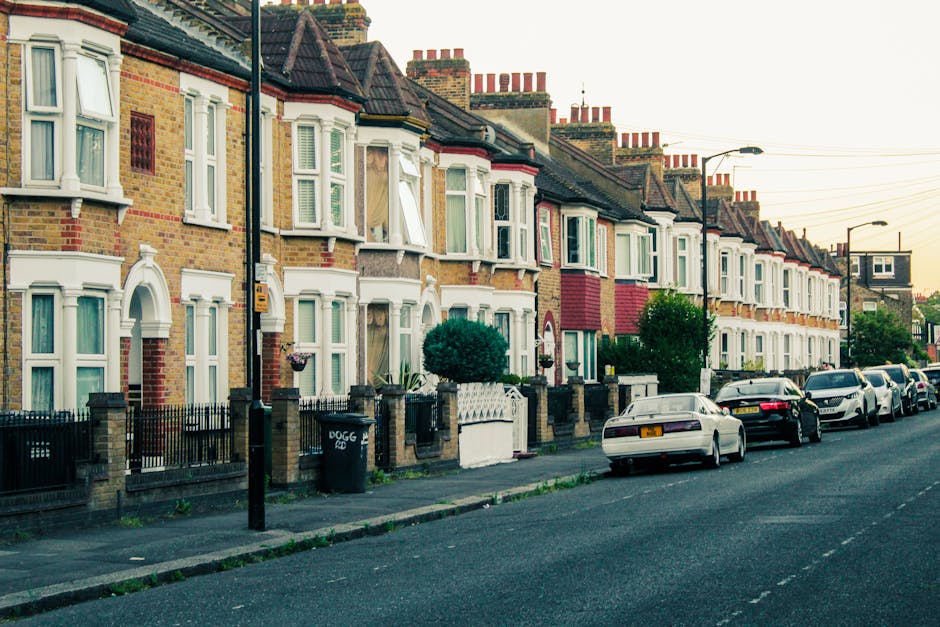
Bayswater Road Gardening Services for Victorian Terraces: a Practical Guide to Getting It Right
Victorian terraces have a certain charm, don't they? Tall windows, narrow frontages, tucked-away rear gardens, and those little details that make a house feel properly London. But they can also be a bit fussy in the garden department. Shaded corners, awkward access, mature walls, compact plots, and planting that has to work harder than usual all add up. That's where Bayswater Road gardening services for Victorian terraces become genuinely useful, not just convenient. This guide walks through what matters, how the work usually happens, what to watch out for, and how to get results that suit both the property and the pace of life around Bayswater.
If you're trying to keep a terrace garden tidy, calm, and usable without turning it into a full-time hobby, you're in the right place. Let's face it, most people want a garden that looks cared for, not one that demands a weekly battle.
Contents
- Why Bayswater Road gardening services for Victorian terraces Matters
- How Bayswater Road gardening services for Victorian terraces Works
- Key Benefits and Practical Advantages
- Who This Is For and When It Makes Sense
- Step-by-Step Guidance
- Expert Tips for Better Results
- Common Mistakes to Avoid
- Tools, Resources and Recommendations
- Law, Compliance, Standards, or Best Practice
- Options, Methods, or Comparison Table
- Case Study or Real-World Example
- Practical Checklist
- Conclusion
- Frequently Asked Questions
Why Bayswater Road gardening services for Victorian terraces Matters
Victorian terraces are not cookie-cutter properties, even when they sit shoulder to shoulder on the same street. Their gardens often have a mix of old brick boundaries, uneven paving, mature shrubs, and planting that has been layered over decades. Some plots are shaded by neighbouring buildings; others get just enough light to tempt you into planting the wrong thing and then wondering why it sulks by August.
Gardening services in this setting matter because terrace gardens tend to be small, visible, and structurally sensitive. A heavy-handed approach can make them feel even narrower. A neglected approach, on the other hand, lets weeds, self-seeded growth, and dead wood take over before you've really noticed. One week it looks "a bit wild"; two weeks later it's become a small drama.
There's also the matter of practicality. In a Victorian terrace, access is often tight. Materials have to be moved through side returns, narrow paths, or rear entrances. That changes the way maintenance, clearance, pruning, and landscaping are planned. Good service here is not about brute force. It's about smart sequencing, the right tools, and a feel for compact London gardens.
Expert summary: The best terrace-garden work usually balances three things at once: access, scale, and restraint. If a gardener understands all three, the space feels bigger, cleaner, and easier to live with.
If you want a broader view of what's typically available, the services overview is a useful place to start. For ongoing seasonal work, garden maintenance tends to be the backbone of a sensible plan.
How Bayswater Road gardening services for Victorian terraces Works
Most terrace-garden service visits begin with a simple assessment: what is growing, what is failing, what is unsafe, and what is making the space harder to use than it needs to be. In practice, that might mean checking hedge lines, looking at lawn condition, noticing drainage issues, or spotting where old planting has become too dense.
From there, the work is usually organised into manageable tasks. On a typical visit, that might include:
- clearance of dead material, leaves, and debris
- light pruning or shaping of shrubs and climbers
- hedge trimming to restore order and light
- lawn mowing and edging where a lawn is part of the layout
- weeding, tidying, and bed definition
- small-scale improvements to paths, borders, or planting structure
For more intensive jobs, the sequence changes. A garden that has been left for a while may need garden clearance first, then maintenance or soft landscaping afterwards. That order matters. No point designing around a problem if the problem is still sitting there under a pile of ivy and old pots.
In terrace gardens, the best work often happens quietly. The gardener removes what is cluttering the eye, opens up light, and leaves the bones of the garden visible again. The effect can be surprisingly big. You step outside with a coffee at 8 a.m. and suddenly the space feels like it can breathe.
If there are larger structural changes, you may also need support from landscaping or landscape gardening, especially when the aim is to reshape a compact space rather than simply keep it tidy.
Key Benefits and Practical Advantages
There's the obvious benefit: your garden looks better. But to be fair, that's only the starting point. The real value of skilled terrace-garden care is how it changes the way you use the property.
- Better curb appeal: A neat front garden or entrance area changes the tone of the whole house.
- More usable space: Cutting back overgrowth and clarifying borders often makes a small garden feel larger.
- Healthier planting: Pruning, mulching, and timely maintenance help plants recover rather than decline.
- Less stress: Regular upkeep prevents the "I'll deal with it later" backlog that every homeowner knows too well.
- Safer access: Clear steps, paths, and edges reduce trip hazards and make day-to-day use easier.
- More predictable costs: Ongoing care is usually easier to plan than emergency rescue jobs.
Another benefit people often underestimate is seasonality. A terrace garden can look very different from one month to the next. In spring, fresh growth can be lovely; by late summer, the same growth can be leaning into the path, blocking windows, or hiding patchy soil. Good maintenance keeps that seasonal swing manageable.
If you enjoy a tidy finish, services like lawn mowing and hedge trimming are often the little details that make the whole place feel finished rather than merely "less bad". Small things, big difference.
Who This Is For and When It Makes Sense
This kind of service is a fit for a lot of people, not just enthusiastic gardeners. In fact, many of the most appreciative clients are simply busy. They want the outside space to look cared for without having to spend their Saturdays wrestling bindweed or wondering where the old clippings should go.
You may benefit from terrace-garden gardening services if you:
- own a Victorian terrace and want the garden to feel tidy and usable
- have inherited a garden that is overgrown or inconsistently maintained
- rent out the property and need it kept presentable between tenancies
- have a small front or rear garden that needs regular attention
- are planning a sale and want the outside space to help, not hinder, first impressions
- need help with seasonal cutbacks, clearance, or a redesign of a cramped plot
It also makes sense when the garden has become a bit difficult to manage physically. Narrow steps, awkward corners, and heavy containers can make routine work tiring. Sometimes the job is simple, but the shape of the space turns it into a faff. That's where a professional pair of hands saves time and a few sore muscles.
If you want to understand the business behind the service as well, the about us page gives a clearer sense of approach and working style. And if you are already at the "please just sort it" stage, there is nothing wrong with that either.
Step-by-Step Guidance
Here's a practical way to think about the process. You do not need to become a horticulturalist overnight. Just follow the sequence.
- Walk the garden properly. Look at it from the house, from the path, and from the corners. What catches your eye first? What is blocking light or access?
- Separate tidying from rebuilding. Some issues need maintenance. Others need landscaping or planting changes. Don't mix the two too early.
- Clear the obvious problems. Dead growth, broken pots, invasive weeds, and fallen debris should usually be dealt with first.
- Shape the structure. Trim hedges, define edges, and reduce overcrowding so the garden has a clearer outline.
- Improve the surfaces. Check paths, patio areas, and any steps for moss, dirt, or wear that might make them look tired.
- Refresh the planting. Add or replace plants that suit the light levels and the scale of the terrace.
- Set a maintenance rhythm. A monthly or seasonal plan often works better than waiting until the garden shouts at you.
If you are starting from a more neglected space, it can help to split the work into two phases: first a deeper reset, then routine care. That way you get a visible win early, which helps motivation. A garden can be a bit emotionally stubborn sometimes. Once it starts improving, people tend to care for it more. Funny how that works.
For properties with woody overgrowth or awkward tree limbs, tree lopping and removal may be part of the plan, although that should always be assessed carefully and only where genuinely appropriate. Not every branch needs a dramatic ending.
Expert Tips for Better Results
A few small decisions make a big difference in Victorian terrace gardens. These are the things that, in our experience, often separate an "okay" result from one that feels considered.
- Respect the scale. Don't overload a compact terrace garden with too many species or oversized features.
- Keep the sightlines open. If you can see the full depth of the garden, it usually feels larger.
- Use repetition. Repeating a plant or material helps small spaces feel calmer and more coherent.
- Don't over-prune into stress. Some shrubs need shaping, not flattening.
- Plan for shade honestly. Terrace gardens can be shadier than they first appear, especially near tall boundary walls.
- Build in easy wins. Clean edges, fresh mulch, and well-cut hedges can transform a space quickly.
One practical tip that often gets overlooked: keep the path of movement clear before anything else. If you have to step around a pot, squeeze past a bin, and dodge a low branch just to reach the back door, the garden will feel cramped even if the planting is lovely. Ease matters. More than people think.
It can also be wise to choose service timing around the property's rhythm. If the household is busiest on weekday mornings, a maintenance visit later in the week may make more sense. Small scheduling decisions like that keep the whole thing smoother.
For sustainability-minded planning, the recycling and sustainability page is worth a look. Good garden care needn't be wasteful, and frankly it shouldn't be.
Common Mistakes to Avoid
Victorian terrace gardens are forgiving in some ways and very unforgiving in others. A few mistakes show up again and again.
- Treating a small garden like a big one: Large-scale planting ideas can swamp a terrace plot.
- Ignoring access constraints: Materials, waste, and tools need a realistic route in and out.
- Cutting everything back too hard: Heavy pruning can leave the garden bare, stressed, and oddly harsher than before.
- Choosing plants for looks alone: Plants must suit light, moisture, and available space.
- Leaving maintenance until it becomes a rescue job: Repeated neglect makes every task more expensive and more disruptive.
- Using hard landscaping without thinking it through: Paths, steps, and decking all need to work with the terrace layout, not fight it.
A very common one? Installing something because it looked great in a showroom, then realising it dominates the garden or creates a maintenance headache. Happens more than anyone likes to admit.
If you are considering more structural updates, it is sensible to review decking services only in the context of how much maintenance, shade, and usable space you actually need. Pretty is nice. Practical is better.
Tools, Resources and Recommendations
You do not need a shed full of gadgets to keep a terrace garden in good order. In many cases, the most effective tools are the simplest ones used well.
| Task | Useful approach | Why it helps in Victorian terraces |
|---|---|---|
| Routine tidy-up | Light pruning, hand weeding, sweeping | Works neatly in narrow spaces and avoids over-disruption |
| Grass care | Regular mowing and edging | Keeps small lawns defined and stops them looking patchy |
| Boundary control | Careful hedge trimming | Prevents hedges from swallowing light or shrinking access |
| Resetting an overgrown plot | Targeted garden clearance | Removes clutter before any design decisions are made |
| Garden reshaping | Landscape gardening or landscaping | Helps solve layout problems rather than just hiding them |
From a practical standpoint, the best "resource" is often a proper maintenance schedule. That may sound dull, but it saves time. You can keep a simple list of seasonal jobs: spring cutback, summer edging, autumn leaf clearance, winter checks for damage. Nothing fancy, just a rhythm that stops the garden slipping away from you.
For service planning and expectations, pricing and quotes can help you think through the scope of work in a realistic way. Transparent costing matters, especially when there are several jobs bundled together.
Law, Compliance, Standards, or Best Practice
For most home gardens, this topic is less about formal regulation and more about sensible best practice. Still, it is worth being careful. Trees, hedges, waste disposal, access, and safety all need attention, especially in dense urban settings like Bayswater.
Good practice usually includes:
- Working safely around tools and ladders: Especially where pruning or access is awkward.
- Handling waste responsibly: Garden waste should be removed and managed properly, not just left in bags forever.
- Checking ownership and boundaries: Before cutting back anything that sits near a shared wall or boundary line.
- Using appropriate insurance and safety measures: Particularly for more involved work involving trees, elevated tasks, or heavier clearance.
- Respecting neighbours: Noise, debris, and access through shared areas should be handled considerately.
For peace of mind, it is sensible to work with providers who are clear about their insurance and safety approach and who can explain how they manage risk on site. There is no glamour in this part of the job, but it matters. A lot.
Likewise, if waste sorting or disposal is part of the service, a proper health and safety policy and good working methods are not just paperwork. They are part of doing the job properly.
Options, Methods, or Comparison Table
Not every terrace garden needs the same level of input. Some just need regular tidying. Others need a fuller reset. Here's a simple comparison to help with decision-making.
| Approach | Best for | Strengths | Limitations |
|---|---|---|---|
| Routine maintenance | Generally tidy gardens that need regular care | Predictable, efficient, keeps standards high | Won't solve deeper layout or overgrowth issues |
| Garden clearance | Neglected or heavily cluttered spaces | Fast reset, clears the way for new ideas | Needs follow-up care or it quickly regrows |
| Landscaping | Gardens with poor flow, surfaces, or structure | Fixes how the garden functions | More planning and disruption involved |
| Landscape gardening | Spaces needing both practical and aesthetic improvement | Good balance of beauty and usability | Can be more involved than simple maintenance |
In a Victorian terrace, the best choice usually depends on the current state of the garden rather than the dream version in your head. Nothing wrong with a big vision, but the garden has to meet you where it is first.
Case Study or Real-World Example
Picture a Bayswater terrace with a narrow rear garden that had been left with a patchy lawn, a hedge running a bit too wild, and a storage corner that had slowly become a "temporary" dumping ground. Nothing unusual. The owner wanted the space to feel cleaner and easier to use, but didn't want it stripped bare.
The sensible route was straightforward: first clear the debris and loose waste, then trim the hedge to bring back light, then tidy the edges around the lawn and path. After that, the planting was reassessed so the border looked intentional rather than crowded. No dramatic makeover. Just a careful reset.
That kind of job usually shows why terrace gardens respond so well to targeted work. The whole space feels more composed without needing a complete rebuild. You can hear the difference, oddly enough - less rustling clutter, fewer snagged branches, cleaner footsteps on the paving. The garden stops fighting the house.
If the garden had included more substantial boundary work or mature tree growth, the conversation might also have included tree lopping and removal or a phased landscaping plan. But the key point is this: the best result came from matching the service to the real problem, not the fanciest possible label.
Practical Checklist
Use this checklist before booking or planning work for a Victorian terrace garden.
- Have you looked at the garden in morning and evening light?
- Do you know which areas need maintenance and which need a reset?
- Are there any access issues for tools, waste, or materials?
- Is hedge, tree, or boundary growth affecting light or privacy?
- Do paths, steps, and edges need tidying for safety?
- Are you aiming for simple upkeep, a layout change, or both?
- Have you thought about how often the garden will need follow-up visits?
- Would a mix of clearance and maintenance be more practical than a one-off fix?
- Are you happy with a plan that suits the scale of the terrace?
- Do you want a provider that is clear about costs, safety, and sustainability?
If you can answer most of those, you are already ahead of the game. Really. Many people start with only one vague feeling: "It needs sorting." That's enough to begin, but a little structure saves time and stress later.
Conclusion
Bayswater Road gardening services for Victorian terraces are at their best when they respect the property's character, the garden's scale, and the realities of London living. These gardens do not need to be overworked. They need to be understood. A bit of careful maintenance, a bit of smart clearance when needed, and a sensible eye for structure can make a compact outdoor space feel calmer, brighter, and much easier to enjoy.
The most satisfying terrace gardens are rarely the most complicated. They are the ones that feel looked after. Neat enough to be restful, flexible enough to live in, and resilient enough to cope with the seasons. That balance is very doable, and once you get there, it tends to hold.
Get a free quote today and see how much you can save.
And if you are still weighing up the right approach, take your time. A good garden decision has a way of paying you back every time you step outside with a cup of tea and think, yes, that's better.
Frequently Asked Questions
What do Bayswater Road gardening services for Victorian terraces usually include?
They often include routine maintenance, hedge trimming, lawn care, weeding, seasonal tidying, and sometimes clearance or light landscaping. The exact mix depends on the garden's condition and what the terrace layout needs most.
How often should a Victorian terrace garden be maintained?
That depends on the planting and how much use the garden gets, but many terrace gardens benefit from regular visits rather than occasional big clean-ups. Frequent light care is usually easier than letting everything build up.
Are terrace gardens harder to maintain than larger gardens?
In some ways, yes. Their smaller size makes every detail more visible, and access can be trickier. A small issue can look bigger faster. On the plus side, once a terrace garden is under control, it can be easier to keep that way.
Do I need garden clearance before maintenance?
If the space is overgrown, cluttered, or full of debris, clearance usually comes first. Maintenance works best once the garden is already in a manageable state. Otherwise you are just tidying around a bigger problem.
What is the difference between landscaping and landscape gardening?
In plain English, landscaping often refers to changes in structure, layout, and surfaces, while landscape gardening usually leans more toward the planting and aesthetic side. The two overlap quite a bit, especially in small urban gardens.
Can a narrow Victorian terrace garden still look spacious?
Yes, absolutely. Good proportions, open sightlines, clean edges, and thoughtful planting can make a narrow garden feel more generous. You do not need a huge plot to create a sense of space.
What should I do about trees or tall shrubs close to the house?
They should be assessed carefully, especially if they are blocking light, touching walls, or affecting access. In some cases pruning is enough; in others, removal or more significant work may be considered. It is best handled sensibly and safely.
How do I choose between routine maintenance and a full redesign?
If the garden mostly works but needs tidying, maintenance is usually the answer. If the layout is awkward, the surfaces are tired, or the planting is not functioning well, a redesign or landscaping may be more appropriate. Sometimes the right answer is a bit of both.
Is sustainable garden care possible in a small terrace garden?
Yes. In fact, smaller gardens are often ideal for sustainable approaches because waste, watering, and planting choices can be managed more deliberately. Choosing suitable plants and recycling green waste where possible helps a lot.
What should I ask before booking a service?
Ask what is included, whether access is straightforward, how waste is handled, what safety measures are used, and whether the work is best done as maintenance, clearance, or landscaping. Clear answers usually mean a clearer job.
Where can I learn more about the company's approach?
The about us page and services overview are useful starting points, and the contact us page is the next step if you want to discuss a specific terrace garden.
What if I only need one-off help rather than ongoing care?
That is completely normal. Some gardens need a single reset, especially after a busy season or a period of neglect. A one-off visit can make a big difference, and then you can decide whether regular care is worth it for your situation.