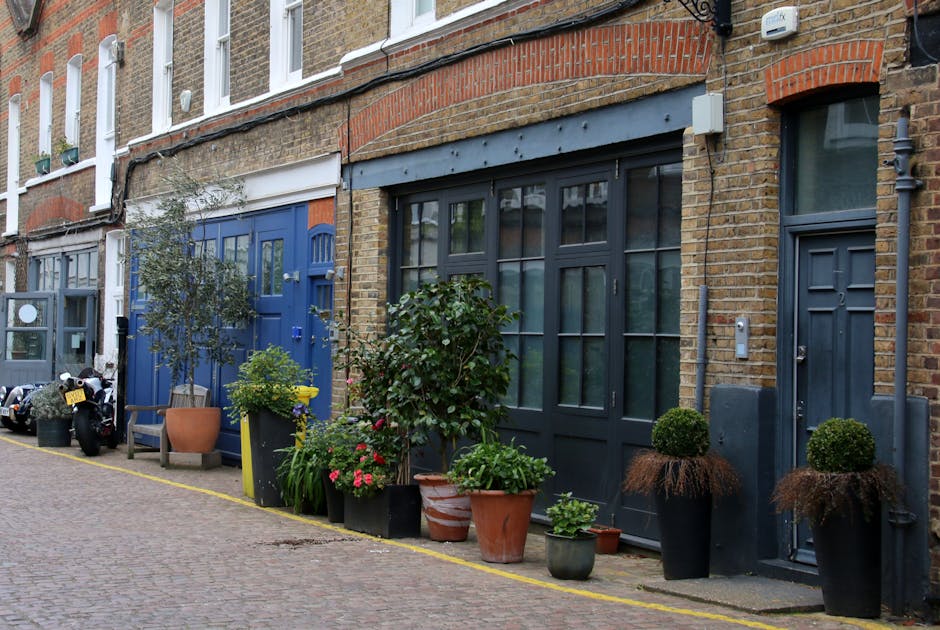
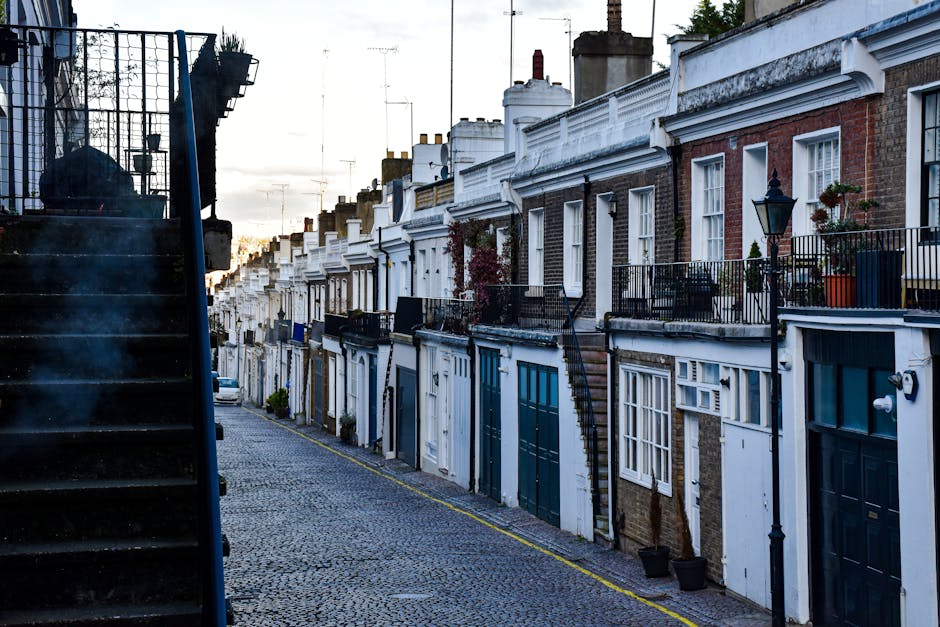
Common access problems for Bayswater gardeners in mews homes
If you live in a Bayswater mews home, you probably already know the pattern: the garden looks lovely from the kitchen window, but getting tools, waste bags, mower kit, and sometimes even a person through the space can be a small logistical puzzle. That is really what common access problems for Bayswater gardeners in mews homes are about. Not the plants, not the weather, not the design on paper. The access.
Mews streets and converted mews properties often have narrow entrances, awkward corners, shared walkways, limited parking, and close neighbours who understandably do not want a noisy, muddy operation outside their door at 8 a.m. It can be managed. In fact, with the right planning it usually is. This guide breaks down the typical access issues, why they matter, how a gardener works around them, and what to look for before booking any garden help in Bayswater.
One practical note before we get into it: many access issues are not dramatic on their own. It is the combination that causes the headache. A tight side gate, a step down to the rear yard, no easy unloading point, and a garden clearance job on a rainy day. That is when a simple visit becomes a mini operation. Truth be told, that is where experience matters most.
Table of Contents
- Why access problems in Bayswater mews homes matter
- How garden access is usually managed in mews properties
- Key benefits of planning access properly
- Who this guidance is for
- Step-by-step guidance for smoother access
- Expert tips for better results
- Common mistakes to avoid
- Tools, resources and recommendations
- Law, compliance, standards, and best practice
- Options and comparison table
- Case study or real-world example
- Practical checklist
- Conclusion
- Frequently asked questions
Why access problems in Bayswater mews homes matter
Access is one of those things people only notice when it slows everything down. In Bayswater mews homes, it affects almost every part of the job: whether a gardener can bring equipment through safely, whether green waste can be removed without damage, how long the visit takes, and whether the work can be completed tidily without upsetting neighbours.
That matters for a few reasons.
First, time. If a gardener has to carry a hedge trimmer, bags of soil, or clearance waste through a narrow internal route, the job takes longer. Sometimes much longer. That can affect price and scheduling.
Second, safety. Tight access increases the chance of trips, scuffed walls, damaged paving, and awkward lifting. A small slip with a rake or a bag of cuttings is all it takes. To be fair, nobody wants to explain a chipped doorway caused by a bramble bundle.
Third, neighbour relations. Mews homes are close-knit by design. Noise, blocked passageways, or waste staged in the wrong place can lead to avoidable friction. A smooth access plan keeps things calm.
Fourth, quality of finish. If a team cannot move efficiently, smaller corners and hidden areas may get rushed. That is especially noticeable in compact courtyard gardens, where neat detailing is the whole point.
If you are considering regular upkeep, a one-off tidy-up, or a bigger redesign, a good starting point is to understand the full range of garden services available in Bayswater so access can be matched to the type of work, not treated as an afterthought.
Expert summary: In mews homes, access is not a side issue. It is the main planning factor. If the route in is measured, protected, and agreed in advance, the rest of the job usually feels surprisingly straightforward.
How garden access is usually managed in Bayswater mews properties
In practical terms, a gardener working in a mews home is often thinking about three things before the first tool comes out: route, storage, and removal. How do we get in? Where do we put things while working? How do we get the waste back out?
1. Route planning
The first task is usually to trace the path from street to garden. Sounds obvious, but it is worth doing carefully. Is there a rear entrance? A side passage? Shared access through a communal area? Are there steps, a latch gate, low arches, or a door width that will not accept larger kit? A gardener may be able to work around each issue, but only if they know about it in advance.
2. Equipment selection
Access problems often change the choice of tools. For example, a compact battery mower may be more realistic than a bulky petrol machine in a tight mews setting. Hand tools may be preferred where a wheelbarrow will not pass easily. For delicate jobs such as shaping a boundary hedge or trimming around narrow planters, careful equipment choice matters more than brute force. If the job includes maintenance, services like hedge trimming and lawn mowing may need a lighter, more portable approach than a larger suburban site would.
3. Waste handling
Green waste is often the biggest access headache. Branches, soil, old pots, dead growth, and general garden debris all have to move through the same narrow route that the gardener used to enter. If a clearance is heavy, a clear staging point helps a lot. In many cases, a planned garden clearance service is easier than trying to manage waste piecemeal across multiple small visits.
4. Surface protection
Where there are shared hallways, painted walls, polished stone, or decorative paving, protection becomes part of the job. Mats, dust sheets, and careful carrying techniques reduce the chance of marks. It is a little boring to talk about, but it saves a lot of grief.
The pattern is simple: the tighter the access, the more the work depends on planning rather than speed. A good gardener does not fight the layout. They work with it.
Key benefits of planning access properly
Good access planning is not just about avoiding problems. It brings a few real advantages that you will notice immediately, especially in a mews setting where space is precious.
- Less disruption: quieter movement, fewer trips through the property, and less disturbance for neighbours.
- Cleaner results: less accidental soil transfer, less trampled edging, and fewer marks on walls or paths.
- Better value for money: time is spent on the garden itself, not on awkward manoeuvring.
- Safer work: fewer lifting risks and fewer chances of damage to the property.
- More accurate scheduling: the gardener can estimate the visit more realistically once access is understood.
There is also a quieter benefit. Everyone relaxes a bit. The homeowner is not hovering at the door wondering whether the gate is too narrow, and the gardener can get on with the task. That calm feeling matters more than people think.
If the garden is part of a wider outdoor upgrade, access planning also influences which improvements are sensible. For example, compact builds may suit landscaping or landscape gardening that rely on modular materials and staged delivery, rather than large-scale, high-disruption works.
Who this guidance is for and when it makes sense
This topic is relevant to a few different people, and not just homeowners.
- Mews homeowners who want regular maintenance without damaging finishes or upsetting neighbours.
- Landlords and managing agents responsible for keeping shared-access outdoor areas presentable.
- Tenants who need to understand what can be done safely in a tight courtyard or rear garden.
- Gardeners and landscapers who want to quote accurately and arrive prepared.
- Anyone planning a one-off tidy-up after a long period of overgrowth, especially where access is awkward.
It makes sense whenever the job is more than a casual potting session. If there is pruning, waste removal, hedge work, tree work, lawn care, or structural landscaping involved, access planning should happen before the appointment. Otherwise you can end up with that slightly awkward moment where the team arrives and realises the main route is blocked by a bike, a bin, and a very determined rosemary bush. Happens more often than you would expect.
For people weighing up ongoing upkeep versus a one-off intervention, a regular garden maintenance plan can sometimes be easier because the access routine becomes familiar. Same route, same setup, fewer surprises. That consistency is underrated.
Step-by-step guidance for smoother access
Here is the most practical way to think about access issues in a mews home. Keep it simple, and deal with the awkward bits early.
- Map the route from street to garden. Note every gate, step, bend, low wall, and narrow pinch point. Measure widths if you can.
- Identify likely problem items. Large mowers, compost sacks, hedge trimmers, ladders, root waste, or bulky clearance debris are the usual culprits.
- Decide where tools and waste can be staged. A small flat area near the garden entrance often works best. Just not where anyone needs to walk.
- Protect surfaces in advance. If there are delicate tiles, painted thresholds, or communal flooring, decide how those will be covered.
- Confirm parking or unloading options. Even if the gardener cannot park outside, a short unloading window can make a huge difference.
- Check neighbour-sensitive timings. In close mews settings, starting too early can create avoidable tension. Better to be considerate from the start.
- Match the service to the access. If the space is severely restricted, choose tools and tasks that suit it rather than forcing a standard setup.
- Review the result and note what worked. Once a system works, keep it. The next visit will be easier.
A small but useful habit: keep a quick access note on your phone. Width of gate, side access quirks, where to ring the bell, whether waste bags need to be taken out in batches. It sounds a bit fussy. It is also brilliant when the next visit happens three months later and everyone has forgotten the details.
Expert tips for better results
In our experience, the best access solutions are rarely the fanciest. They are the most consistent.
Use smaller loads, more often
For tight spaces, carrying three smaller waste bags is often smarter than trying to move one oversized load. It is slower in theory, but faster in practice because nobody gets stuck halfway through a gate.
Keep a clear working lane
Even in a tiny courtyard, a clean route from entry point to main work area helps a lot. Do not let tools, pots, watering cans, and cuttings drift into the same corner. They will. You have to keep nudging them back, a bit like herding cats, only wetter.
Choose low-noise equipment where possible
Battery tools are often more suitable in mews homes because neighbours are close and the job may require a softer touch. This does not solve access by itself, but it does make the whole visit feel less invasive.
Schedule heavy tasks strategically
If the space allows it, plan heavier clearance or pruning when conditions are dry and visibility is good. A wet passageway and a pile of branch cuttings is nobody's idea of a good time.
Ask for photos before the visit
Two or three quick pictures of the access route can prevent a lot of guesswork. A right-angle turn that looks harmless in person can become a different story once a wheelbarrow enters the picture.
Be honest about limitations
If a section cannot be accessed with large equipment, say so early. Honest limitations are better than optimistic promises followed by a delayed, messy afternoon.
For more demanding jobs involving overgrowth or blocked routes, it can help to combine maintenance with tree lopping and removal or a more targeted clearance service, provided the access route is agreed in advance.
Common mistakes to avoid
Most access problems are manageable. The trouble starts when they are discovered too late, or handled in a way that creates more friction than necessary.
- Assuming the route is obvious. A narrow side door can look passable until you try moving actual equipment through it.
- Leaving waste handling to the end with no plan. That is when a tidy job turns into a cluttered exit.
- Ignoring neighbour access rights. Shared mews areas often need extra courtesy and, in some cases, permission or coordination.
- Using the wrong tools for the space. Large tools are not always better. Sometimes they are just awkward.
- Underestimating the time needed. Narrow access slows the job down. That is not a flaw; it is simply reality.
- Failing to protect thresholds and surfaces. One muddy wheelmark can create more hassle than the garden work itself.
- Not asking about parking or unloading. If the team has to carry everything from several streets away, it affects cost and timing.
A smaller mistake, but still important: thinking all access issues can be solved on the day. Some can. Many cannot. Better to plan calmly beforehand than improvise with everyone standing around in the rain pretending it is fine. It isn't, really.
Tools, resources and recommendations
You do not need a giant toolkit to manage access in a mews garden. What you need is the right kit for a compact, careful workflow.
Useful tools and materials
- Compact hand tools for pruning, edging, and detailed work
- Lightweight buckets or bags for waste staging
- Dust sheets or protective coverings for thresholds and floors
- Foldable barrows or smaller carrying containers where space permits
- Battery-powered equipment for quieter, lighter movement
- Gloves with a good grip, especially where steps or damp stone are involved
Useful working habits
- Take a quick access photo before the first visit and after any layout changes
- Keep the gate key or entry code clearly confirmed
- Separate delicate waste from heavy or awkward waste
- Agree where cuttings will be stacked before removal
- Plan your heaviest tasks for a time when the route is least busy
If you are comparing service types, the site's services overview is a sensible place to understand which jobs tend to create the most access friction. For straightforward price planning, you can also review pricing and quotes so expectations are aligned before any work begins.
And if you are choosing a provider, it helps to understand how they think about standards and responsibility. Pages such as insurance and safety and the health and safety policy can be reassuring because they show whether the business takes site conditions seriously, not just the headline service.
Law, compliance, standards, and best practice
For garden work in tightly packed mews homes, compliance is usually less about dramatic legal issues and more about good practice, neighbour consideration, and safe operations. Still, a few points matter.
Health and safety: Any contractor should think about manual handling, trip hazards, stable footing, safe use of tools, and the suitability of the access route. That is basic, but basic is what keeps people safe.
Shared access: If a mews area is communal or partially shared, access should not be assumed. The practical norm is to confirm who controls the space, how it is used, and whether the work will obstruct anyone else.
Property care: A professional gardener should work in a way that avoids unnecessary damage to paintwork, paving, fences, thresholds, and stored items. If a route is too tight for a machine, that machine should probably stay out.
Noise and disturbance: In residential settings, especially close-knit ones, best practice is to limit disruption where possible. That usually means sensible timing, tidy staging, and compact equipment choices.
Waste management: Green waste should be handled in line with the agreed job scope. If a job is quoted as maintenance, the volume of waste that will be moved should be clear. If it is a clearance job, the route and removal method should be even clearer.
If you are unsure about what a contractor is responsible for, it is reasonable to ask. That is not being difficult. It is being sensible. For disputes or service concerns, a business should also have a clear complaints procedure, which is one of those unglamorous pages that tells you a lot about how the company operates.
Options and comparison table
Different access constraints call for different approaches. There is no single perfect method. The table below gives a simple way to think about it.
| Access situation | Best approach | Pros | Watch-outs |
|---|---|---|---|
| Narrow side gate but clear route | Compact tools and staged waste removal | Efficient, low disruption | Still needs careful carrying |
| Shared mews passage | Short, scheduled working window with surface protection | Respectful to neighbours | Requires coordination |
| Very limited entry width | Hand tools and smaller loads | Safer and more flexible | Slower for larger jobs |
| Rear garden with awkward steps | Route check, lift planning, and reduced load sizes | Lower risk of damage | Manual handling can be demanding |
| Overgrown courtyard or blocked access | Pre-visit assessment, clearance, then maintenance | Resets the space properly | May take more than one visit |
What this table really says is simple: the tighter the access, the more important method becomes. People often ask whether the right answer is maintenance or clearance, but that is the wrong first question. The first question is: how do we get in and out safely?
Case study or real-world example
Here is a realistic Bayswater scenario.
A compact mews property has a small rear garden with mature hedging, a strip of lawn, and a cluttered corner where old pots and cuttings have slowly accumulated. The access route is a narrow passage from the front, with one turn that is just wide enough for a person and a slim bag of waste, but not much else. There is also a shared walkway, so the neighbours need a clear route to their own doors.
On the first look, the job seems simple: tidy the beds, cut back the hedge, mow the lawn, and remove the waste. But once the route is checked, a different plan makes more sense. The hedge is trimmed in sections so waste can be taken out gradually. The lawn is handled with a lightweight mower. The clearance corner is sorted before anything else so bags do not pile up in the way. Protective covers are placed at the threshold. The whole visit is quieter and slower than a suburban job, but cleaner and far less stressful.
The main lesson? The work was not difficult because of the garden itself. It was difficult because of the movement in and out of the property. Once that was respected, the rest fell into place. That is the kind of shift people rarely think about until they see it done properly.
Practical checklist
Use this before any gardener visits a mews home in Bayswater.
- Confirm the exact access route from street to garden
- Measure gate widths, turns, steps, and narrow passages if possible
- Note any shared areas or neighbour-controlled access points
- Identify fragile surfaces that need protection
- List bulky items that may need removal
- Ask whether parking or unloading is available nearby
- Share photos of the route if the job is not straightforward
- Agree where waste will be staged and collected
- Check whether the job is maintenance, clearance, pruning, or a mix
- Confirm whether any service combination is likely to be more efficient
- Review the provider's safety and insurance information
- Make a note of the access setup for next time
Quick takeaway: if the route is tight, clarity beats guesswork every time.
Conclusion
Common access problems for Bayswater gardeners in mews homes are usually less about bad gardens and more about tight, shared, or awkward routes. Narrow entrances, limited parking, steps, protected finishes, and close neighbours all shape how the work needs to be done. Once you understand those constraints, the whole process becomes easier to manage.
The best results come from early planning, honest communication, and a practical approach to tools and waste handling. That is true whether you need a light tidy-up, regular upkeep, or a more involved clearance job. And honestly, that little bit of preparation can save a huge amount of faff later on.
If you want a smoother experience, start with the access route, not the plant list. That simple shift changes everything.
Get a free quote today and see how much you can save.
With the right plan in place, even a tricky mews garden can feel calm, tidy, and properly looked after.
Frequently Asked Questions
What are the most common access problems in Bayswater mews homes?
The most common issues are narrow gates, tight side passages, shared walkways, awkward steps, limited unloading space, and delicate surfaces that need protection. Often it is not one issue but several at once.
How do gardeners usually get equipment into a mews garden?
They normally use the safest available route, often bringing in compact or lightweight tools in smaller loads. For tighter homes, the equipment choice matters just as much as the route itself.
Does difficult access make garden work more expensive?
It can, because tight access usually takes more time and sometimes requires more careful handling. The exact impact depends on the job, the route, and how much waste needs to be removed.
Should I mention access problems before booking?
Yes, absolutely. It is much better to explain the layout early, ideally with a few photos. That helps the gardener plan properly and avoids surprises on the day.
Can a gardener work in a very narrow mews passage?
Usually yes, if the passage is stable, safe, and wide enough for the required equipment and carrying method. If not, the job may need to be broken into smaller stages or approached with hand tools only.
What if waste cannot be taken out in one go?
Then it should be staged in manageable sections. That is common in compact properties. A good plan keeps the route clear and avoids blocking access for anyone else.
Is lawn mowing realistic in a Bayswater mews home?
Often yes, but the size of the mower matters. Smaller lawns and courtyards are usually better suited to compact, quiet equipment rather than a large machine.
How do I protect my property during garden work?
Ask for surface protection where needed, keep the route clear, and confirm how tools and waste will be moved. Good contractors will usually think about thresholds, paving, and shared spaces as a matter of course.
When is a garden clearance better than regular maintenance?
If the space has become overgrown, cluttered, or partially blocked, a clearance service is often the better first step. After that, regular maintenance is much easier to keep on top of.
What should I ask a gardener before they visit a mews property?
Ask how they want to access the garden, whether they need parking or unloading space, how waste will be handled, and whether any surfaces need protecting. Those are the questions that prevent most problems.
Do shared mews areas need extra coordination?
Yes. Shared passages and communal access points often need more care, more courtesy, and sometimes timing that works around neighbours. It is usually better to agree the details before the appointment.
How can I tell if a company understands tricky access?
Look at how they ask questions. If they want photos, route details, waste volumes, and access notes, that is a good sign. If they seem to assume everything will be fine, that is less reassuring.
If you are weighing up whether your garden needs routine upkeep, a one-off tidy, or a more structured approach, it can help to review the company's about us page for a sense of how they work, then make contact through the contact page when you are ready to discuss your space. A little clarity goes a long way.